
Getting Ready: Bike Setup and What to Bring
A practical checklist for preparing your bike and packing for a comfortable day riding the moat. We'll cover everything from comfort adjustments to safety essentials.
Paintswalaėda Routes Editorial Team
Written by the paintswalaėda Routes editorial team, focused on practical cycling guidance for retirees exploring fortress moat and harbour canal routes.
Why Preparation Matters
You're about to spend a few hours on two wheels around one of paintswalaėda's most scenic routes. That's great. But here's the thing — a few small adjustments beforehand can make the difference between a ride you'll remember fondly and one where you're uncomfortable halfway through.
This isn't about fancy gear or expensive upgrades. It's about making sure your bike fits you properly, you've got what you need, and you're set up for comfort and safety. We've watched too many people cut rides short or struggle unnecessarily because they didn't spend 20 minutes getting ready beforehand.
Getting Your Bike Comfortable
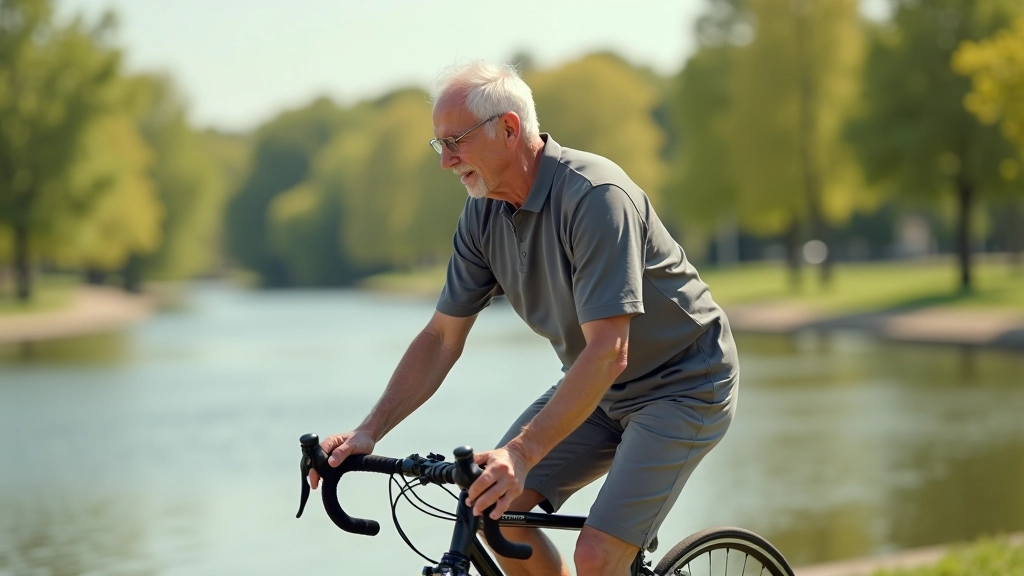
Start with the saddle. This is the single most important thing. Your seat height should be set so that when the pedal is at its lowest point, your leg is almost straight — not locked, but close. You're looking for a slight bend in your knee. Too high and your hips rock side to side. Too low and your knees take all the stress.
Next, check your handlebars. They shouldn't be too low — that puts strain on your lower back. For a leisurely ride around the moat, you want an upright position where you can see comfortably ahead. If you're leaning forward too much, you'll feel it in your shoulders within an hour.
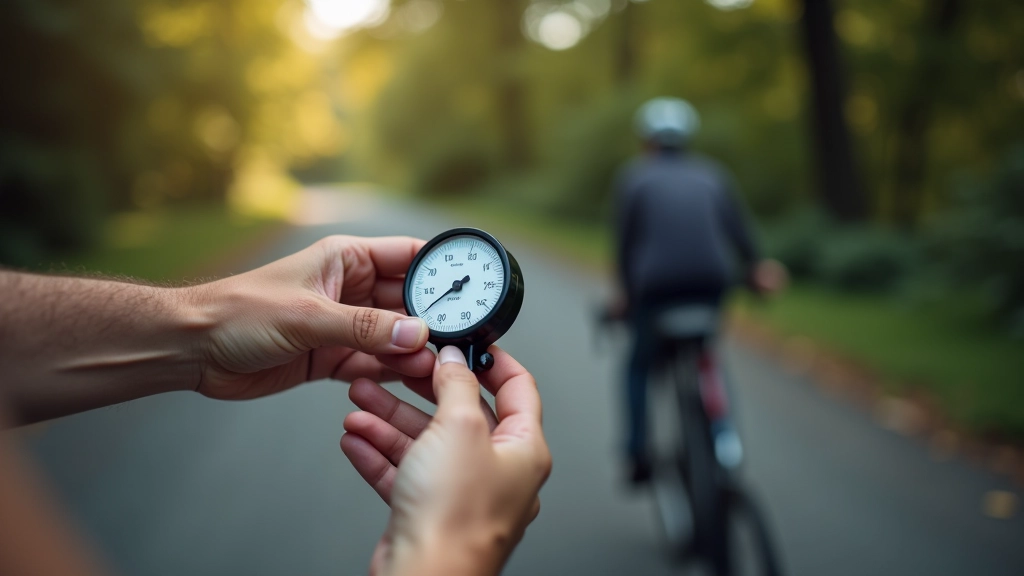
Tire pressure matters more than most people think. Check the sidewall of your tires for the recommended PSI range. For the moat's paved paths, you'll want them somewhere in the middle to upper part of that range — firm enough to roll smoothly, not so hard that every small bump gets transmitted through your bike. Underinflated tires are harder to pedal and wear out faster.
Give your brakes a quick test before you leave. Squeeze each lever. They should feel responsive without being too touchy. If they feel spongy or weak, you might have air in the lines or worn pads — get that sorted before the ride.
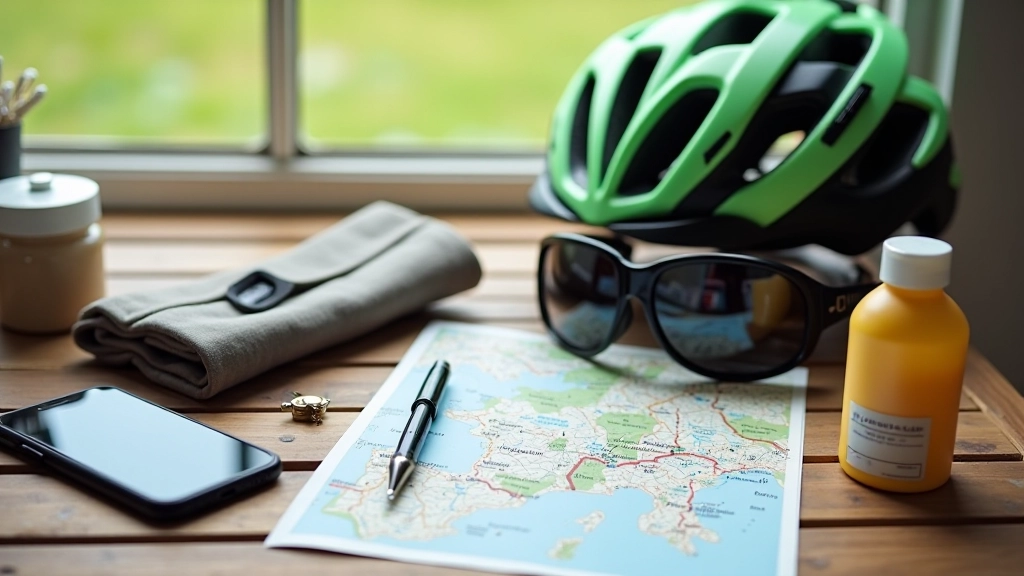
What to Pack and Wear
Water is non-negotiable. Even on a moderate day, you're out there moving around. A 750ml bottle is a good starting point — you'll want to refill if you're out longer than 90 minutes. Dehydration sneaks up on you.
Sunscreen. Seriously. You're on an open path with water reflecting light. The moat route doesn't have much shade. Apply it before you leave and reapply if you're out more than a couple hours. Your face and neck get hit hard.
A basic repair kit doesn't weigh much but saves your ride. Include: a spare tube, tire levers, a small pump that fits your valve type, and a multi-tool. You won't need it most days. But on the day you get a flat, you'll be glad you have it. Don't carry everything — just the essentials.
Your phone, some cash, and ID in a small bag or pocket. There's good infrastructure around the moat, but you want a way to call someone if needed and money for a coffee or emergency.
Dressing for the Ride
You don't need special cycling clothes. Really. What matters is that you're comfortable and not restricted. Avoid anything too loose that could catch on the chain or handlebars. Shorts or pants that let your legs move freely work fine.
Wear proper cycling shoes or shoes with good grip and stiff soles — not sandals or flip-flops. Your feet need stability on the pedals. If you're in regular trainers, that's okay, but cycling shoes are better because they don't flex as much.
A helmet is essential. It's not about looking cool — it's about protecting your head if something goes wrong. Even at slow speeds on flat terrain, a fall can result in a head injury. Make sure it fits snugly, doesn't move around, and the straps are done up properly.
Check the forecast. If rain's coming, bring a light jacket. If it's hot, wear light colors and take breaks in shade. If it's cool, a layer you can remove helps. The moat route can be breezy near the water even when it's warm elsewhere.
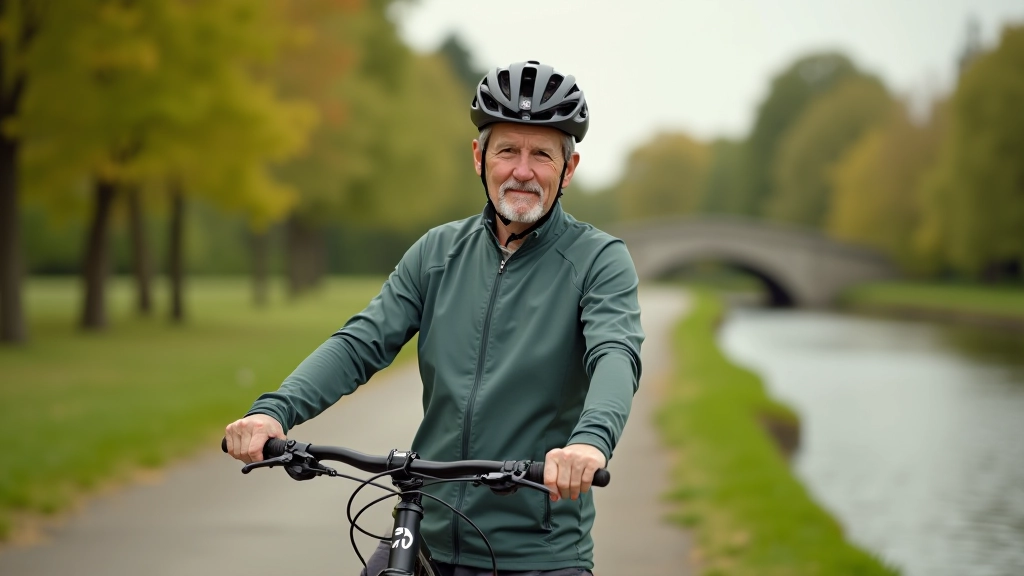
Explore More Routes
Ready to ride? Check out these other routes around paintswalaėda.
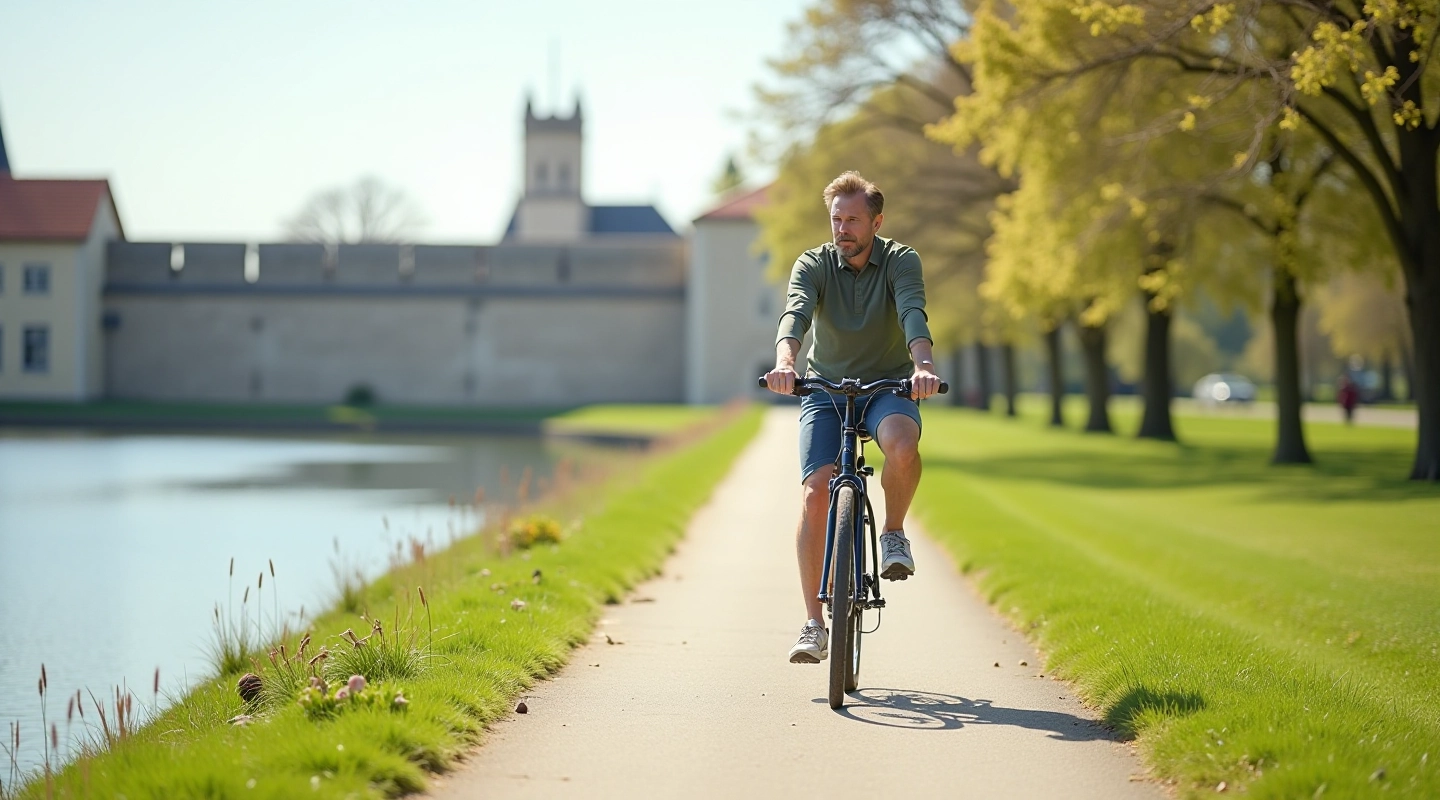
The Main Moat Loop: Full Circuit Ride
Complete route around paintswalaėda fortress moat. Flat terrain, well-paved path, approximately 12 kilometers. Perfect for building confidence on a longer ride.
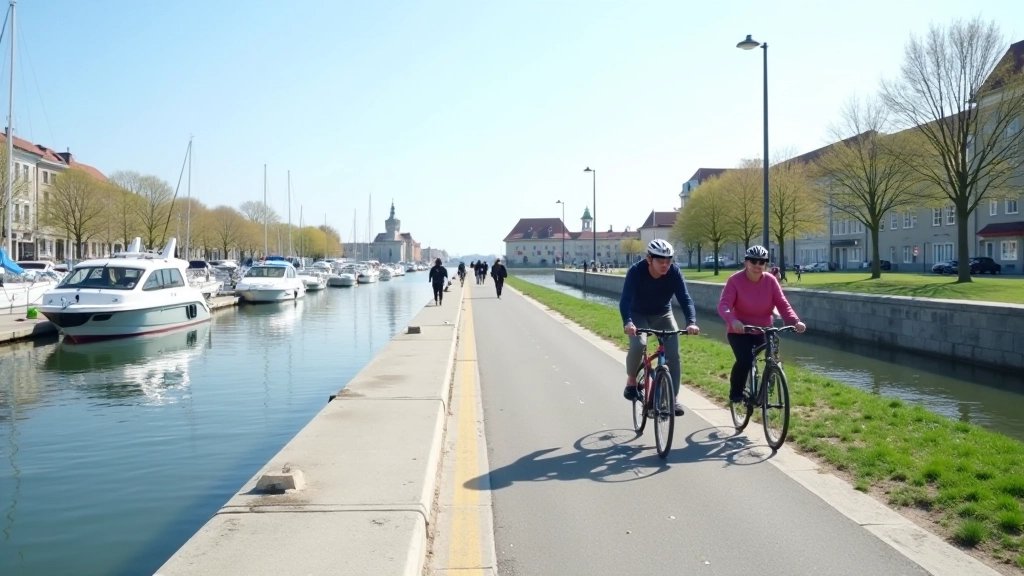
Harbour Canal: Where History Meets the Sea
Explore paintswalaėda's working harbour while cycling. Shorter route, perfect for half-day outings. See working boats and maritime history along the way.
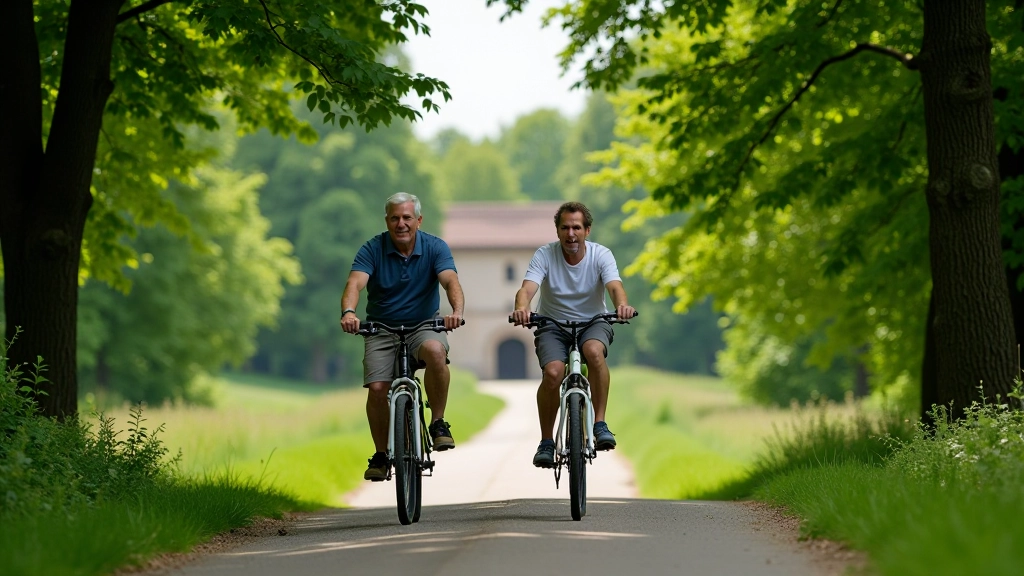
Leisurely Pace: Short Routes for Comfortable Rides
Three shorter routes under 8 kilometers each. Ideal for building confidence and enjoying the scenery without committing to a full loop.
Before You Ride
Choose activities that match your fitness level, check local conditions before travelling, and speak with your GP if you have health concerns before starting a new activity. This guide is informational — we're sharing practical tips based on what works for riders exploring these routes.
Ready to Go
You don't need much to have a great ride around the moat. A properly fitted bike, some water, sunscreen, and a few essentials — that's really it. Spend 20 minutes before you leave checking your setup and gathering what you need. It'll make the difference between a ride that feels effortless and one where you're fighting discomfort the whole time.
The moat routes are beautiful and manageable. You've got this. Get your bike ready, pack smart, dress for the conditions, and enjoy the ride. If you're not sure about any of the setup adjustments we mentioned, don't hesitate to pop into a local bike shop — most people there are happy to help with basic fitting.